
OPEN STANDARD · PLUG & PLAY
oHFM Open FPGA Module Standard
oHFM is an open FPGA module standard for industrial, medical, automotive electronics and more
INDUSTRY CHALLENGES
Industry Challenges: Proprietary Modules Restrict FPGA Development
AI, 6G, aerospace and industrial vision are booming. FPGA compute demand is surging, yet hardware fragmentation is getting worse.
Long Development Cycles
Traditional FPGA boards take 6-12 months from schematic to mass production
Vendor Lock-in, Sunk Transition Costs
Vendors define their own pinouts and interface specs; switching FPGA chips requires full board redesign
Fragmented Ecosystem, Long R&D Cycles
Single-source supply chains, peripherals not cross-platform compatible, vendor toolchains mutually incompatible
High-Speed Design Barrier, Wasted Resources
No unified standard for 112Gbps PAM4 high-speed scenarios; high-speed SERDES design is extremely difficult
Development Time Cut by 50%+
Use verified standard modules, simplify carrier board design, reach mass production in 6 months
Cross-Vendor Interchangeable
Pin-compatible modules from multiple vendors; switch suppliers without redesigning hardware
Ecosystem Reuse
Unified software abstraction layer; drivers and application code reused across hardware platforms
High-Speed Interface Ready
Supporting up to 112Gbps PAM4 with unified reference designs, greatly lowering design barriers
THE SOLUTION
Eight Core Advantages of oHFM
Breaking proprietary module barriers to establish an open, unified FPGA module standard.
Unified Mechanical Standard
Standardized dimensions, connectors and mounting; covers all 8 size grades
Unified Electrical Standard
Pin definitions, power specs and interface protocols; cross-vendor compatible
Unified High-Speed Standard
SERDES rate and signal integrity specs; supports 112G PAM4
Unified Power Standard
Power architecture and management schemes; simplifies carrier board design
Global Neutral Organization
Maintained and published by SGET international standards organization
Free Open Specification
Standard documents free to download, no license fees
No Patent Barriers
Open technical specifications; free to implement and promote
Modules Freely Interchangeable
Same-size carriers accept FPGA modules from multiple vendors
PRODUCT LINEUP
Two Product Form Factors of oHFM
Pluggable
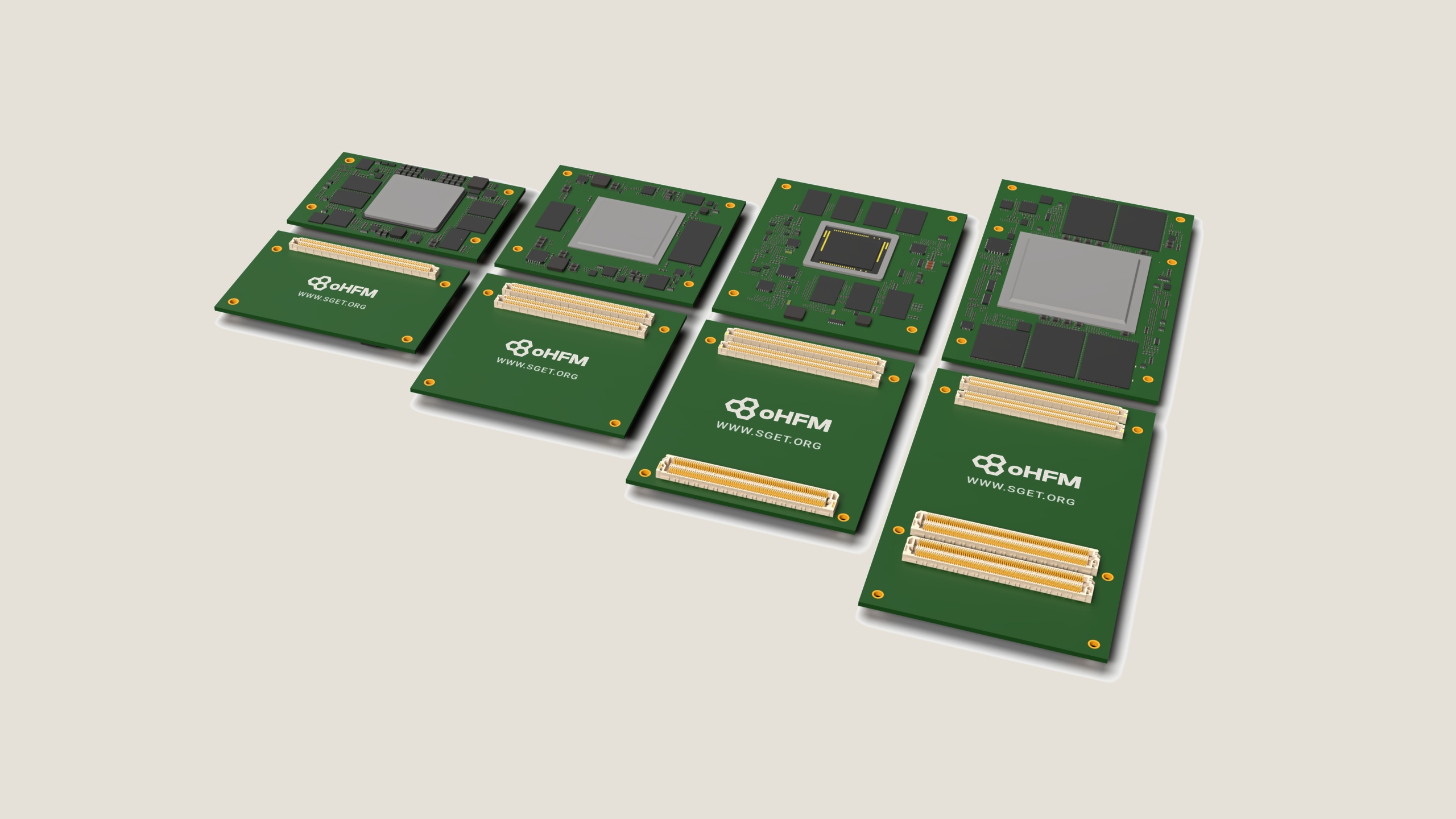
8 standardized size grades
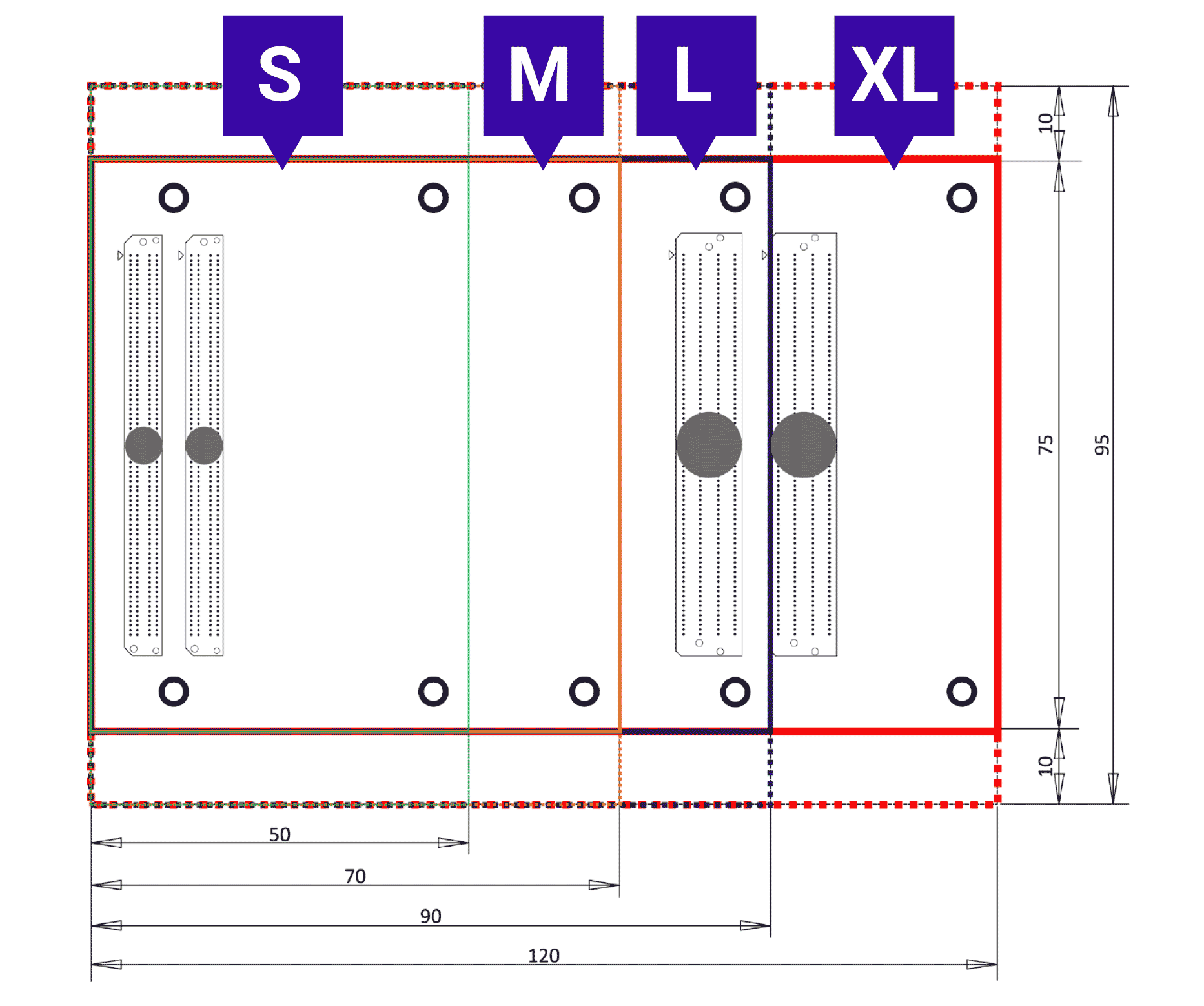
Connector interface: S(50mm) / M(70mm) / L(90mm) / XL(120mm), 4 widths × 2 heights (75mm/95mm), 8 size grades in total
Soldered Compact
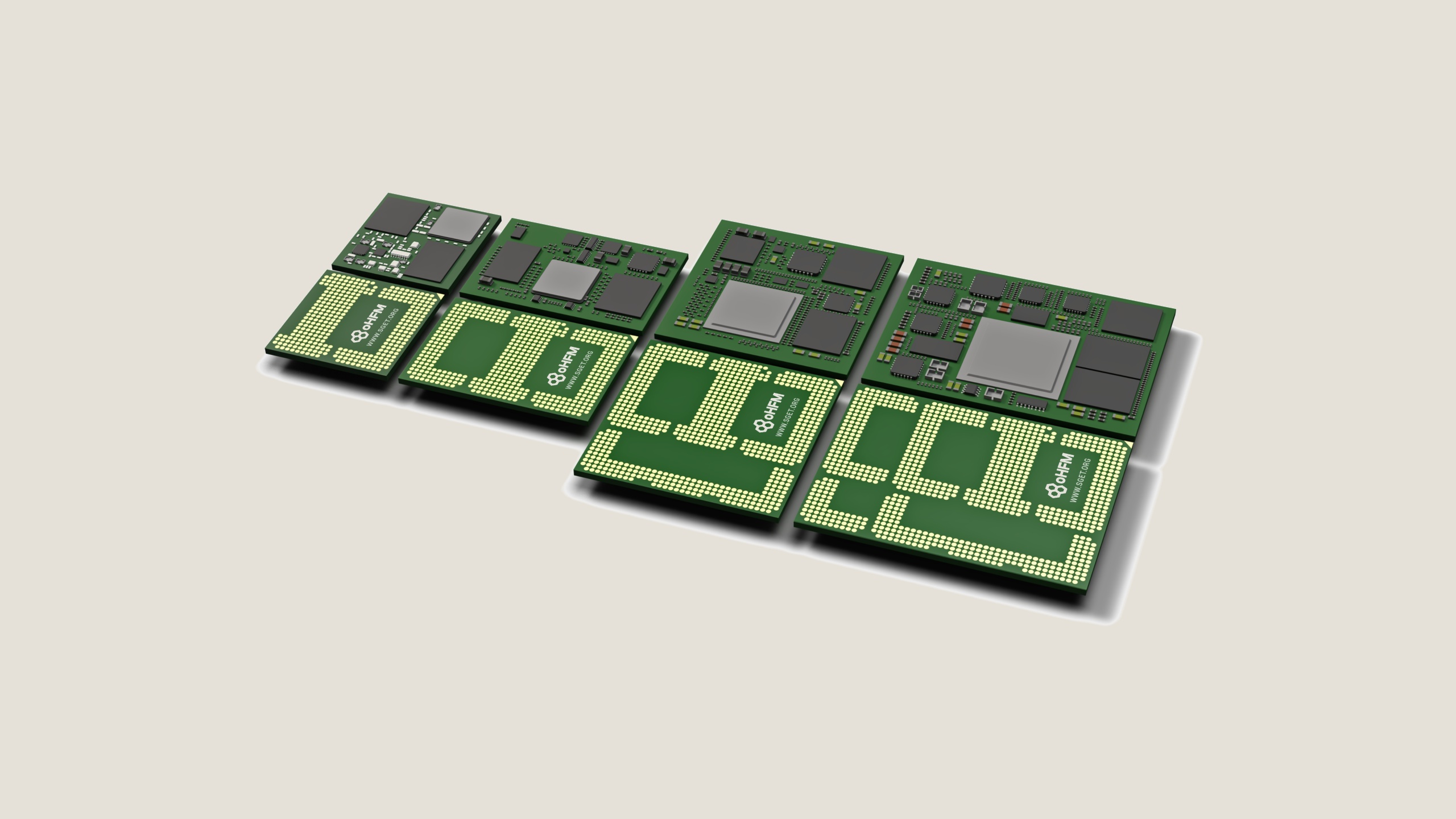
8 standardized size grades
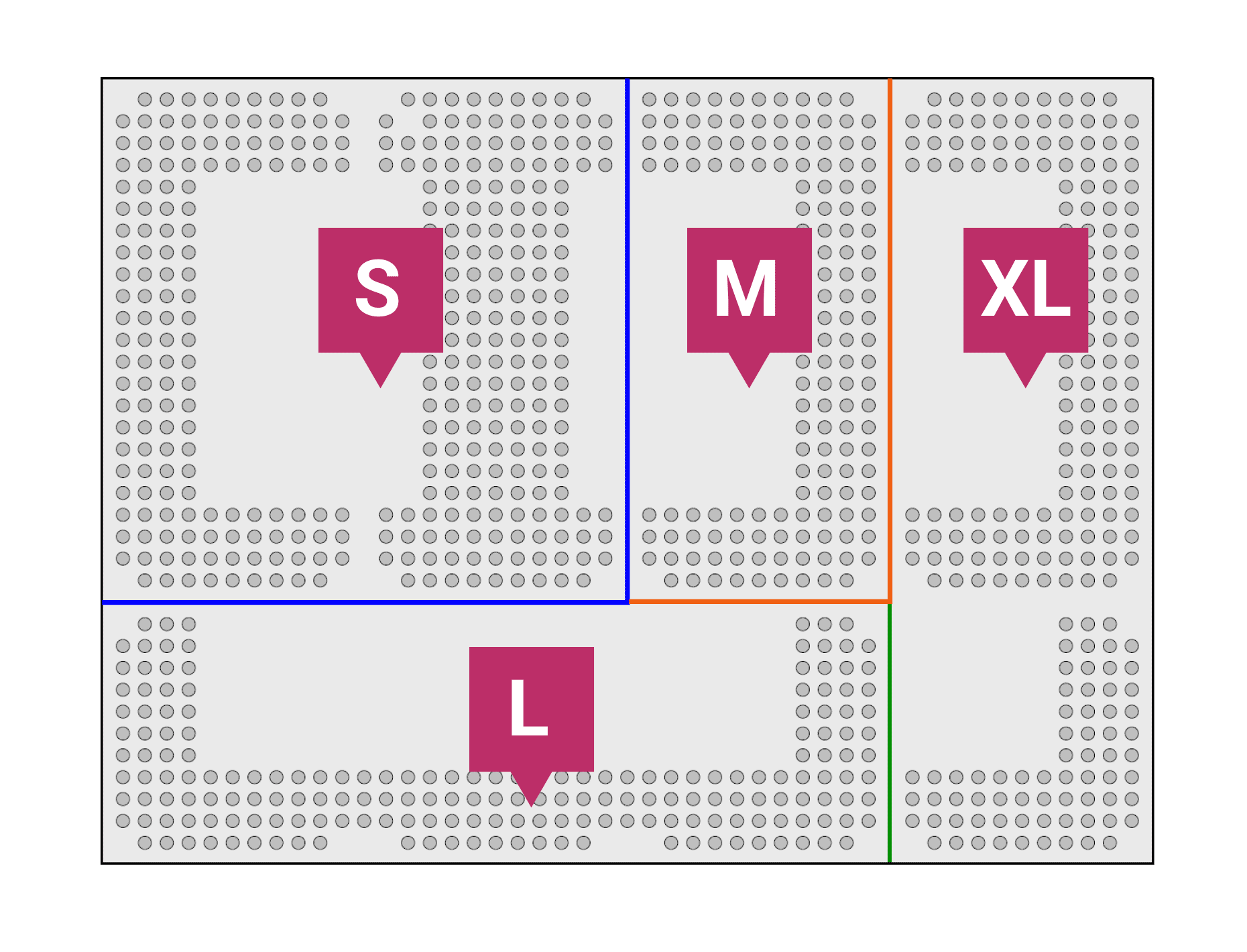
BGA ball grid array: S / M / L / XL substrate areas matching different FPGA chips and I/O counts, covering compact to ultra-large needs
CORE VALUES
Six Core Industry Values of oHFM
Vendor Lock-in Eliminated, Supply Chain Autonomy
One carrier board supports modules from multiple vendors, mitigating chip supply disruption risks, ideal for high-reliability long-lifecycle industries.
Shorter R&D Cycles, Lower Engineering Costs
Design the carrier once and reuse modules; board revision frequency drops 60%, TTM shortens by 50%+.
Unified High-Speed Specs, Lower Design Barriers
Unified 112G PAM4 specifications and reference designs, so companies don't need to build high-speed capability from scratch.
Full Lifecycle Upgrades, Smooth System Evolution
Keep the carrier, swap only the module; upgrade cost drops 70%+, certification cycle shrinks from 6 months to 1 month.
Common Hardware Ecosystem, Scale Economies
Peripherals are cross-platform compatible, supply chain benefits from scale, reducing cost and raising efficiency across the value chain.
Global Neutral Standard, Long-Term Dependability
Maintained by SGET, an international standards organization; not controlled by any single vendor; continuously evolving and trustworthy.
ALINX — CORE DRIVER
ALINX: A Leading FPGA Company in China
Learn more →Xinyi Electronics Technology (Shanghai) Co., Ltd. — core driver of the oHFM standard, FPGA boards and solution partner for 2000+ enterprise customers worldwide
SUCCESS STORIES
oHFM Deployments Across Global Industries
5G/6G Communications SDR
oHFM-standard RFSoC modules provide SDR baseband acceleration for 5G/6G communication equipment, shortening development cycles for small cells, emergency communication radios and more.
Aerospace / Radar
Wide-temperature, vibration-resistant oHFM standard modules meet aerospace SWaP requirements, providing a common hardware platform for SAR imaging, radar acquisition and UAV payloads.
Industrial Machine Vision
Low-latency FPGA vision processing standard modules support synchronized multi-camera acquisition, accelerating industrial defect detection, robot guidance and AOI equipment.
Medical Precision Imaging
Low-power medical-grade oHFM modules with EMC design provide core processing hardware for portable ultrasound, CT/MRI reconstruction and physiological signal acquisition devices.
Edge AI & Test Instruments
Heterogeneous-computing oHFM edge modules with FPGA+ARM architecture provide high energy-efficiency hardware for edge AI inference, smart instruments and industrial IoT gateways.
Quantum Computing Acceleration
High-sync-precision oHFM measurement and control modules support multi-card cascade, providing a common electronics platform for qubit control, quantum error correction and quantum communication equipment.
NEWS & INSIGHTS
News
Partner with ALINX to Build the oHFM Open Ecosystem
FPGA competition now centers on supply chain, standardization and full-lifecycle cost.